AgriMinds ecosystem
A collaborative network supporting farmers, FPOs, founders, mentors, investors and market partners.
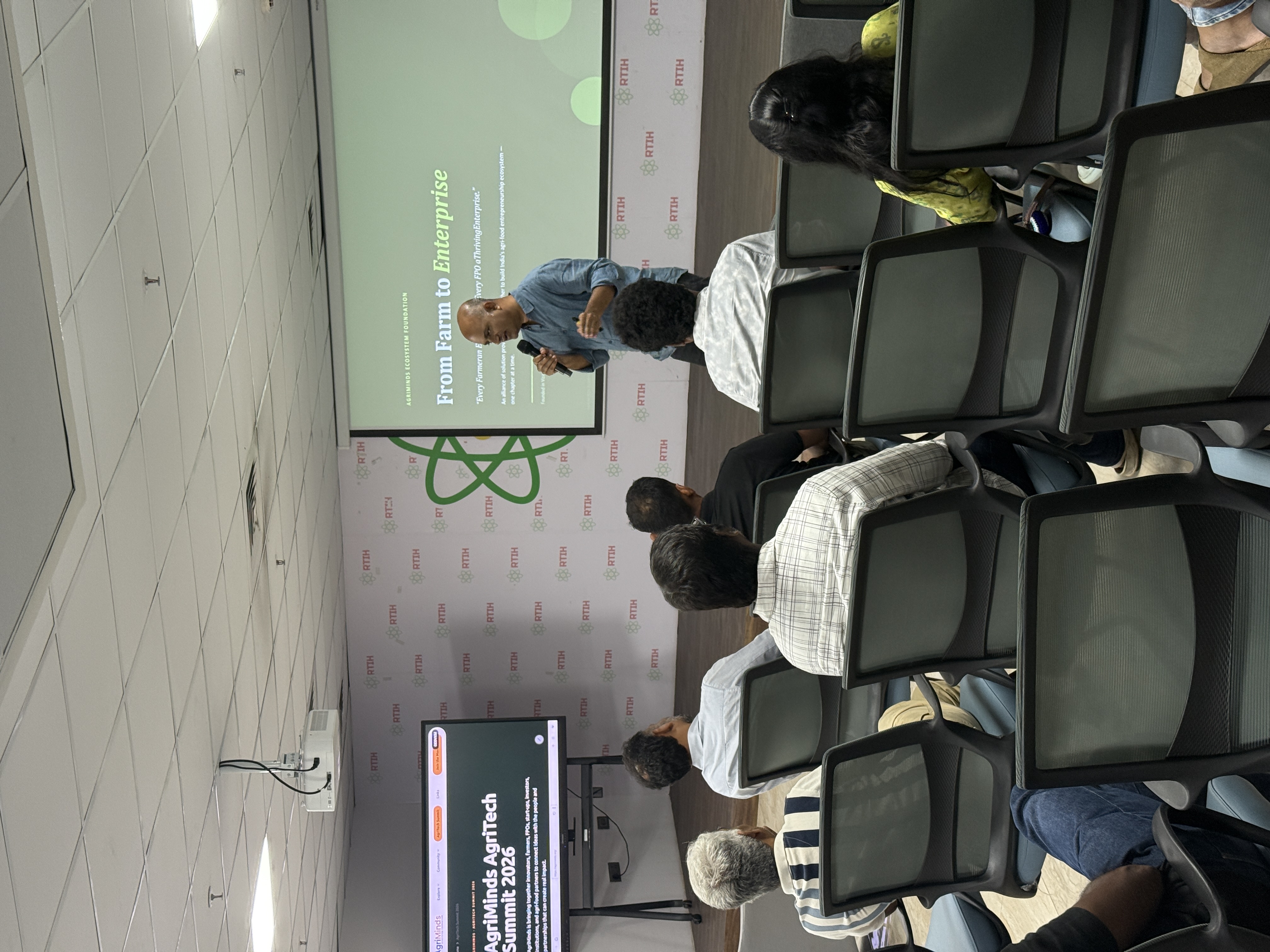
Agripreneurship Meet in Vizag · 10 October 2026
A Vizag chapter learning meet on the AgriMinds ecosystem, food waste to wealth, agri-startup market readiness and practical entrepreneurship.
· Visakhapatnam, Andhra Pradesh
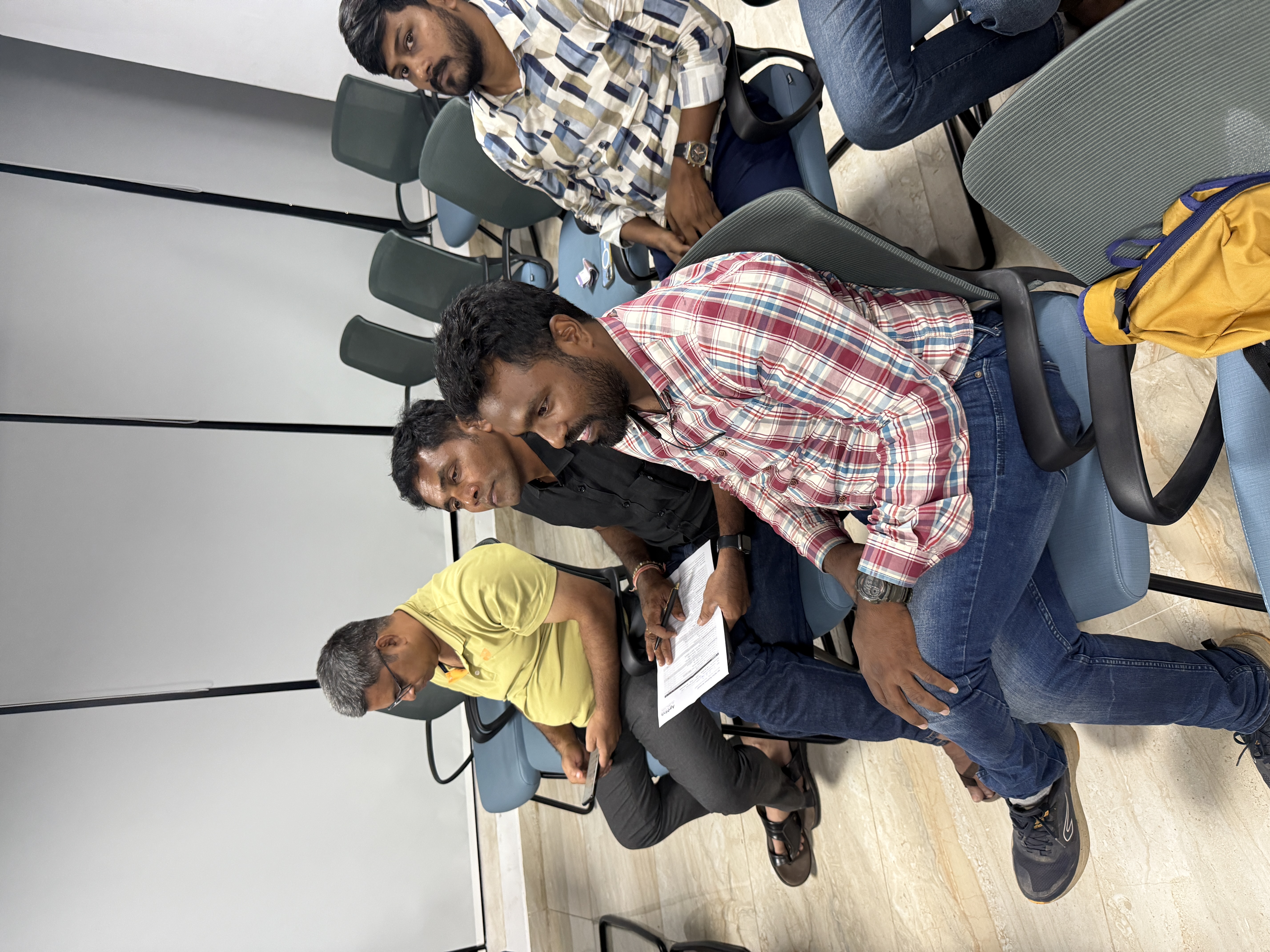 Explore the meet highlights
 Vizag chapter recap
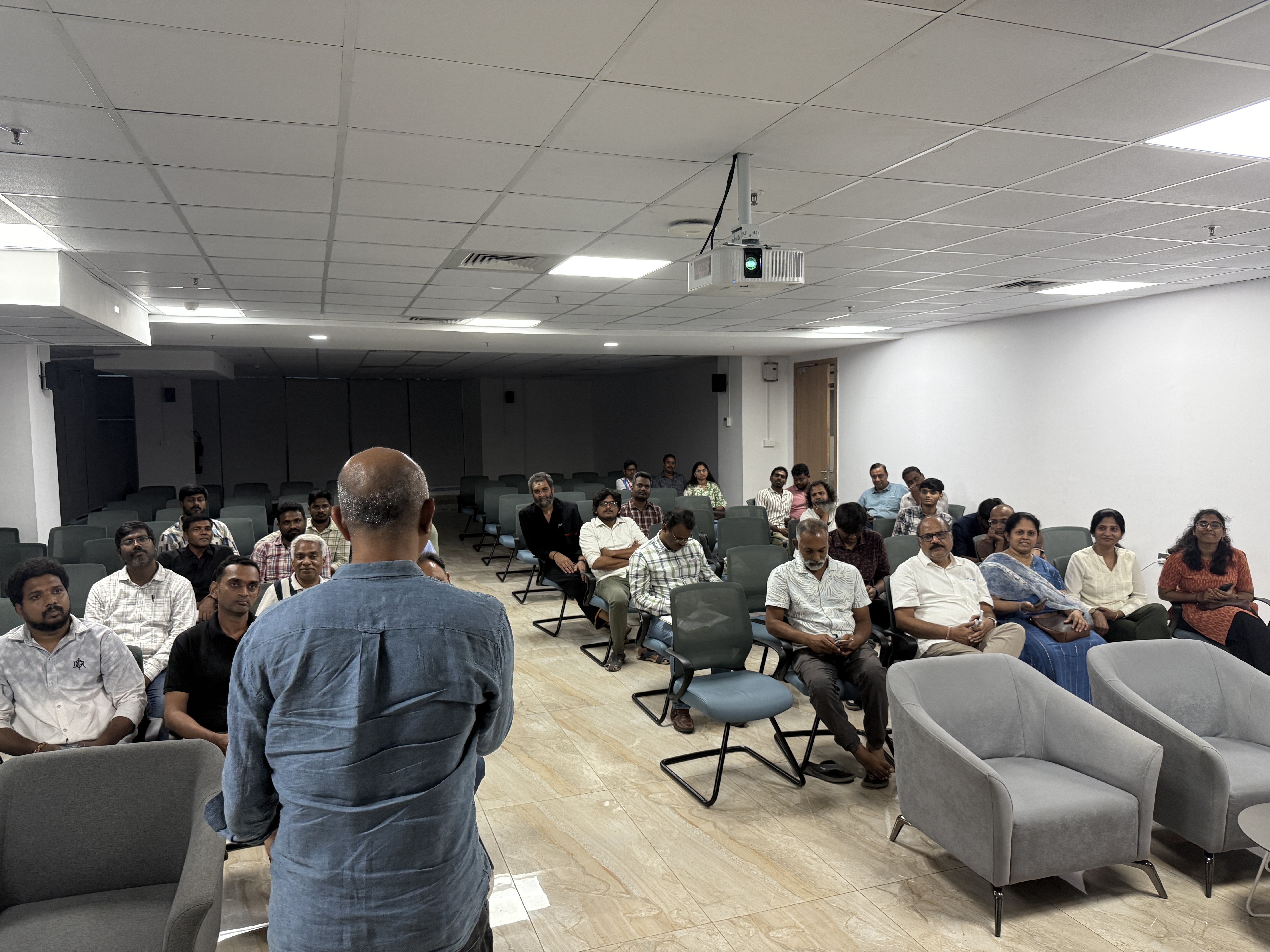
The AgriMinds Agripreneurship Meet connected agricultural entrepreneurship with practical business decisions. The sessions explored how farmers, FPOs and founders can identify opportunities, test solutions, find customers, build partnerships and grow responsibly.
A collaborative network supporting farmers, FPOs, founders, mentors, investors and market partners.
Technologies and enterprise ideas that turn residues, by-products and surplus food into value.
A practical view of validation, unit economics, partnerships, compliance and responsible scaling.
The Vizag chapter is the starting point for AgriMinds’ wider network. The long-term vision presented at the meet is to support 100,000 profitable agri-food enterprises by 2036, improve the livelihoods of one million farming families and help transform more than 1,000 FPOs.
Consult
A pathway from guidance and partnerships to training, finance and investment readiness.
Connect
A pathway from guidance and partnerships to training, finance and investment readiness.
Curate
A pathway from guidance and partnerships to training, finance and investment readiness.
Conduct
A pathway from guidance and partnerships to training, finance and investment readiness.
Capitalize
A pathway from guidance and partnerships to training, finance and investment readiness.
Session one
The session distinguished food loss, which happens during production, harvesting, storage, transport and processing, from food waste at retail, food-service and household level. It framed prevention, better infrastructure and responsible conversion as both sustainability interventions and entrepreneurship opportunities.
The training material cited estimates of 40–45% losses in fruits, 30% in vegetables and approximately ₹92,651 crore in annual post-harvest economic losses. These figures are reproduced as presented in the material and were not independently verified for this recap.
Examples discussed included banana peels, mango seeds, citrus peels, rice husks, bagasse, coconut shells, coffee grounds, vegetable trimmings, eggshells and fish scales. Black Soldier Fly conversion was also introduced as a route to insect meal, oil and frass-based organic fertiliser. The practical question is always the same: is the material available reliably, can it be processed safely, and is there a paying customer?
Session two · Presented by Narendra Nerla
A promising product is not automatically a viable business. The session focused on understanding the customer, testing a minimum viable product, tracking repeat demand, managing cash and building the capability to deliver consistently.
01
Identify a real customer problem that is important enough to pay to solve.
02
Test a minimum viable product in real conditions with early customers.
03
Look for repeat purchases, customer acquisition patterns and positive margins.
04
Demonstrate sustained demand, retention, referrals and pricing acceptance.
05
Expand only when the operating model is repeatable and financially sustainable.
Examples included offering agricultural advice through WhatsApp before building an app, renting machinery before buying it and testing food products in small batches. A useful test defines one customer segment, product, geography and measurable target.
Runway = available cash ÷ monthly net burn. For example, ₹60 lakh in cash and ₹5 lakh monthly net burn gives approximately 12 months of runway. Seasonal revenue and working capital must be included in the plan.
Practical entrepreneurship challenges
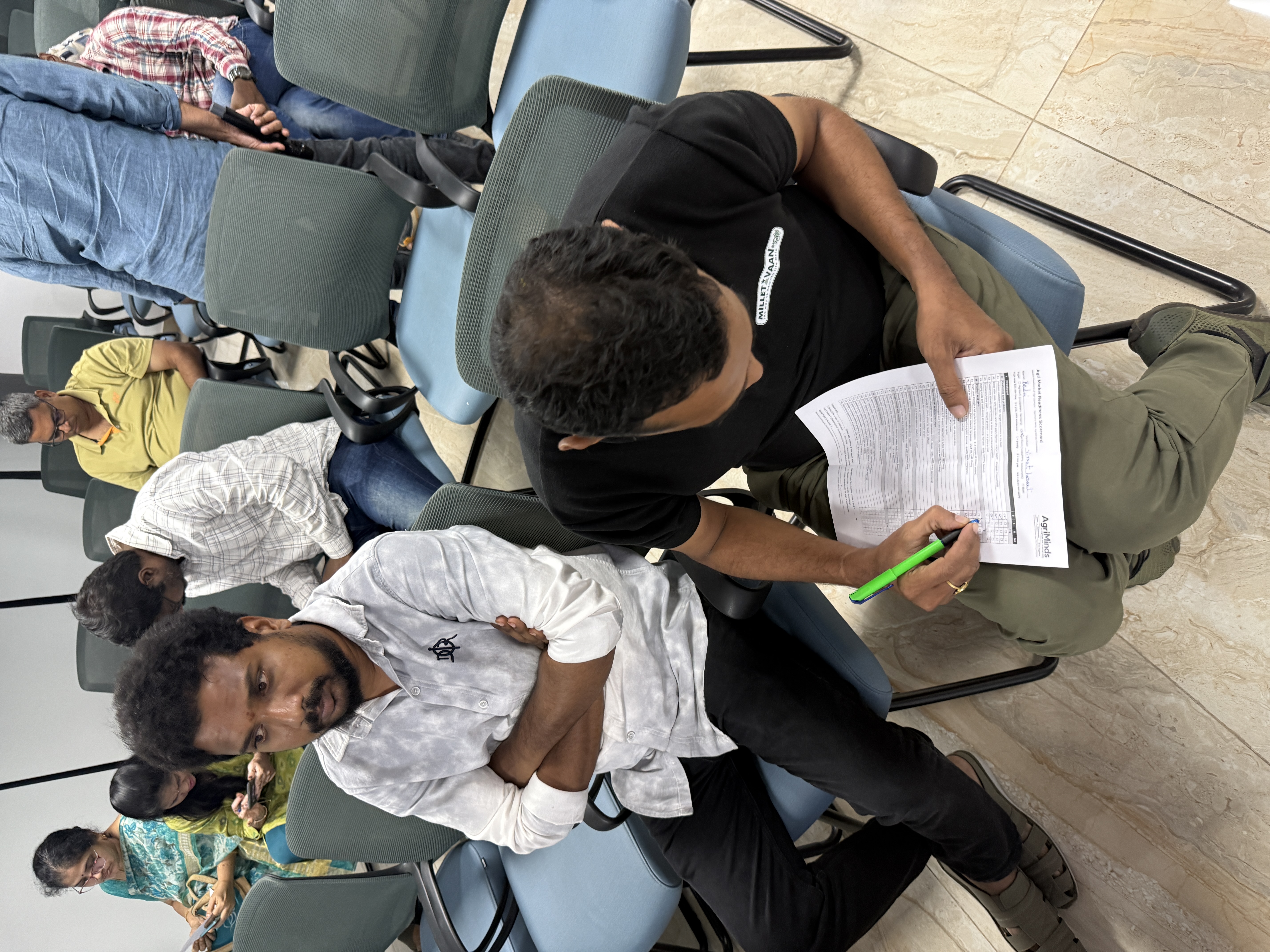
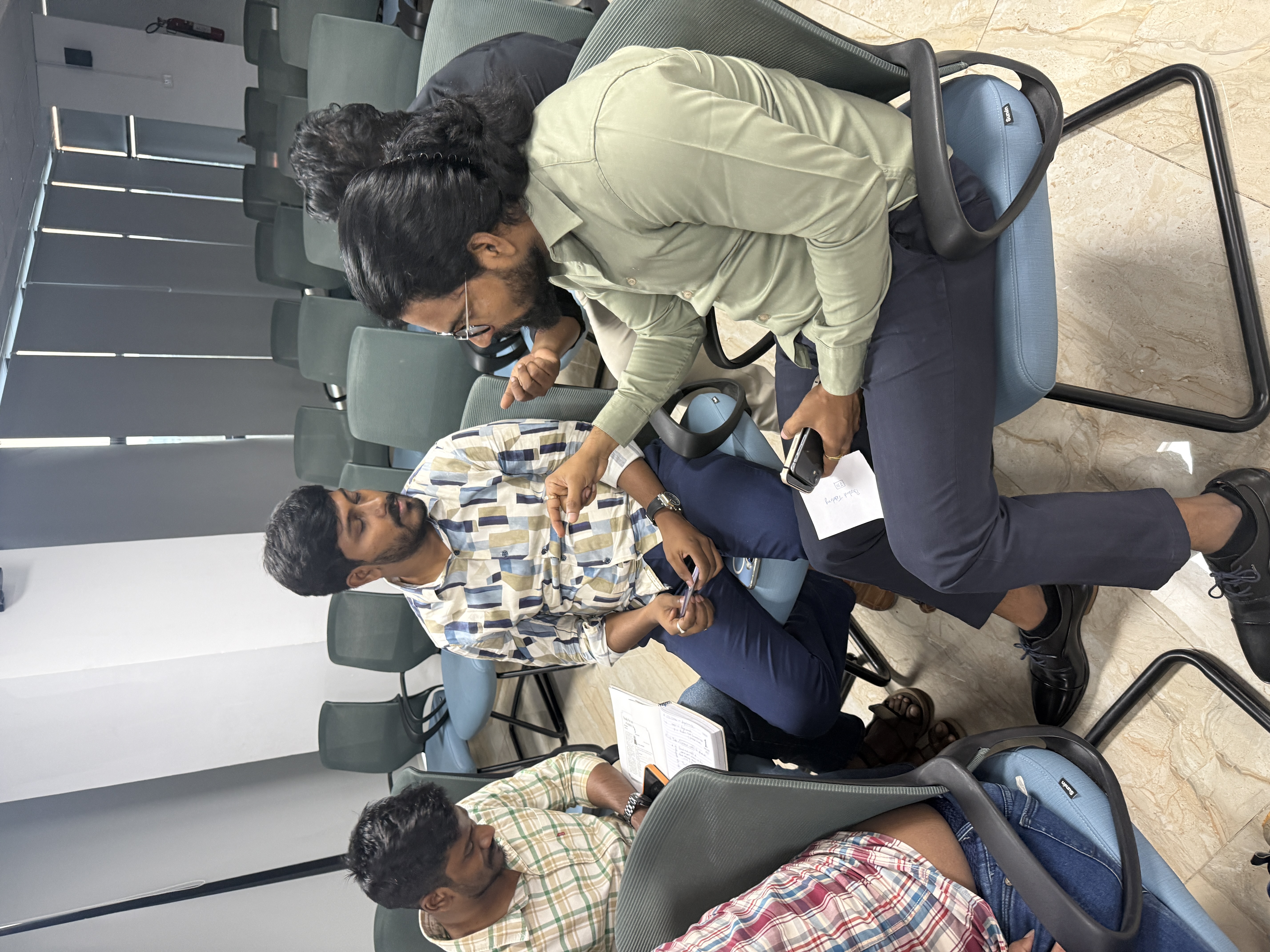
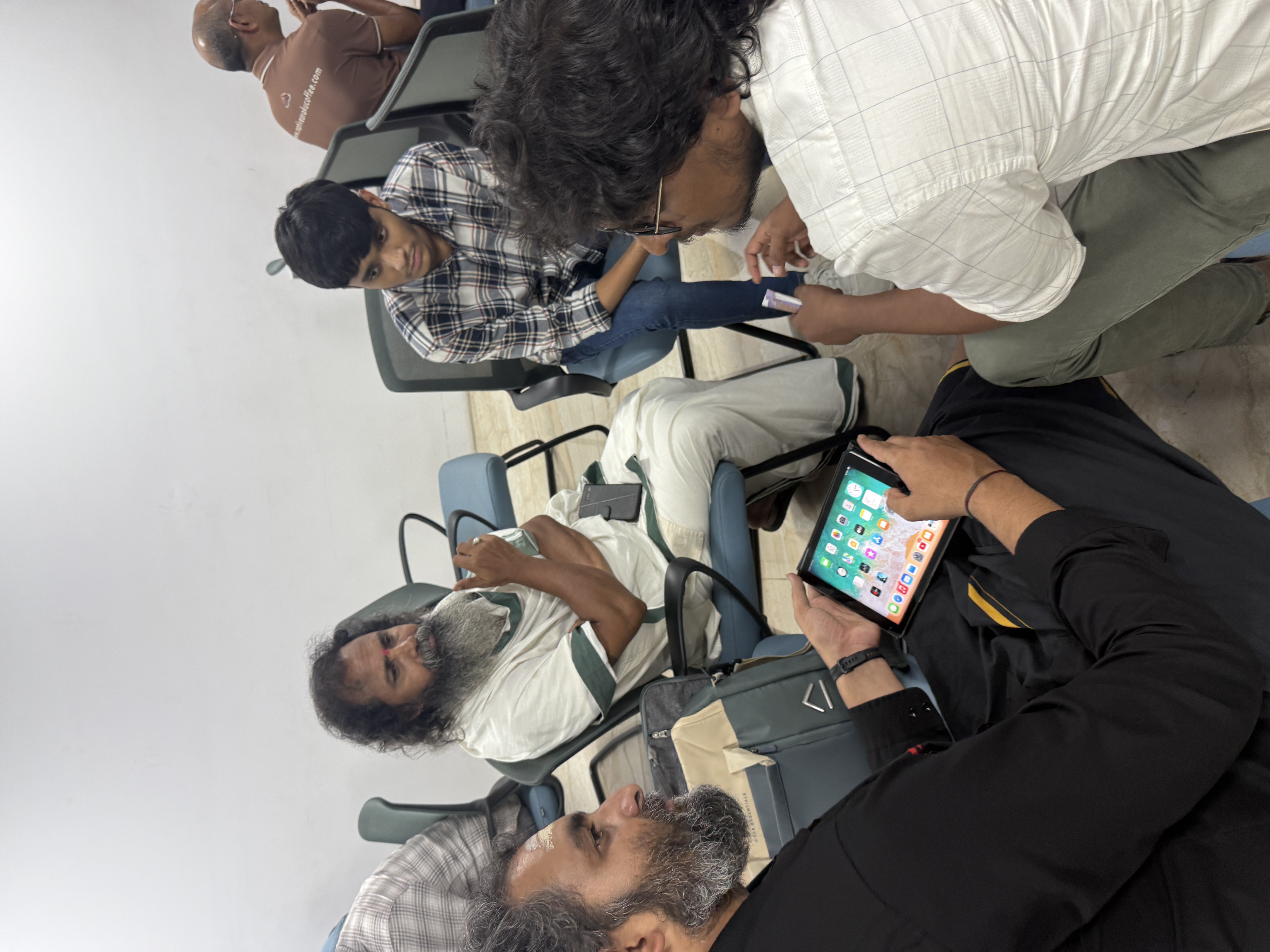
Teams choose an agricultural or food waste stream and develop a business concept for converting 100 kg of it into a valuable product. They consider sourcing, processing technology, customers, pricing and economics—not just the product idea.
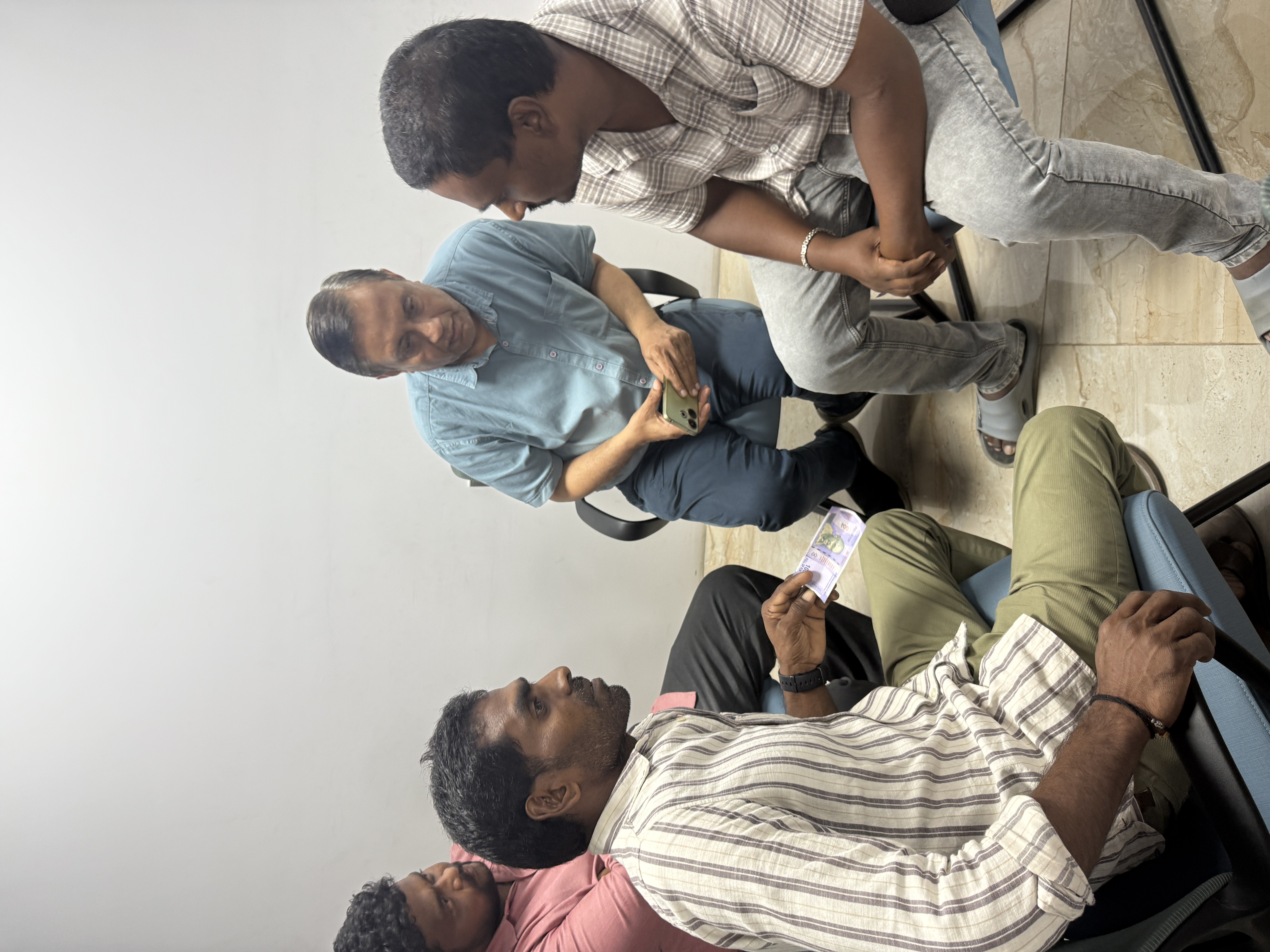
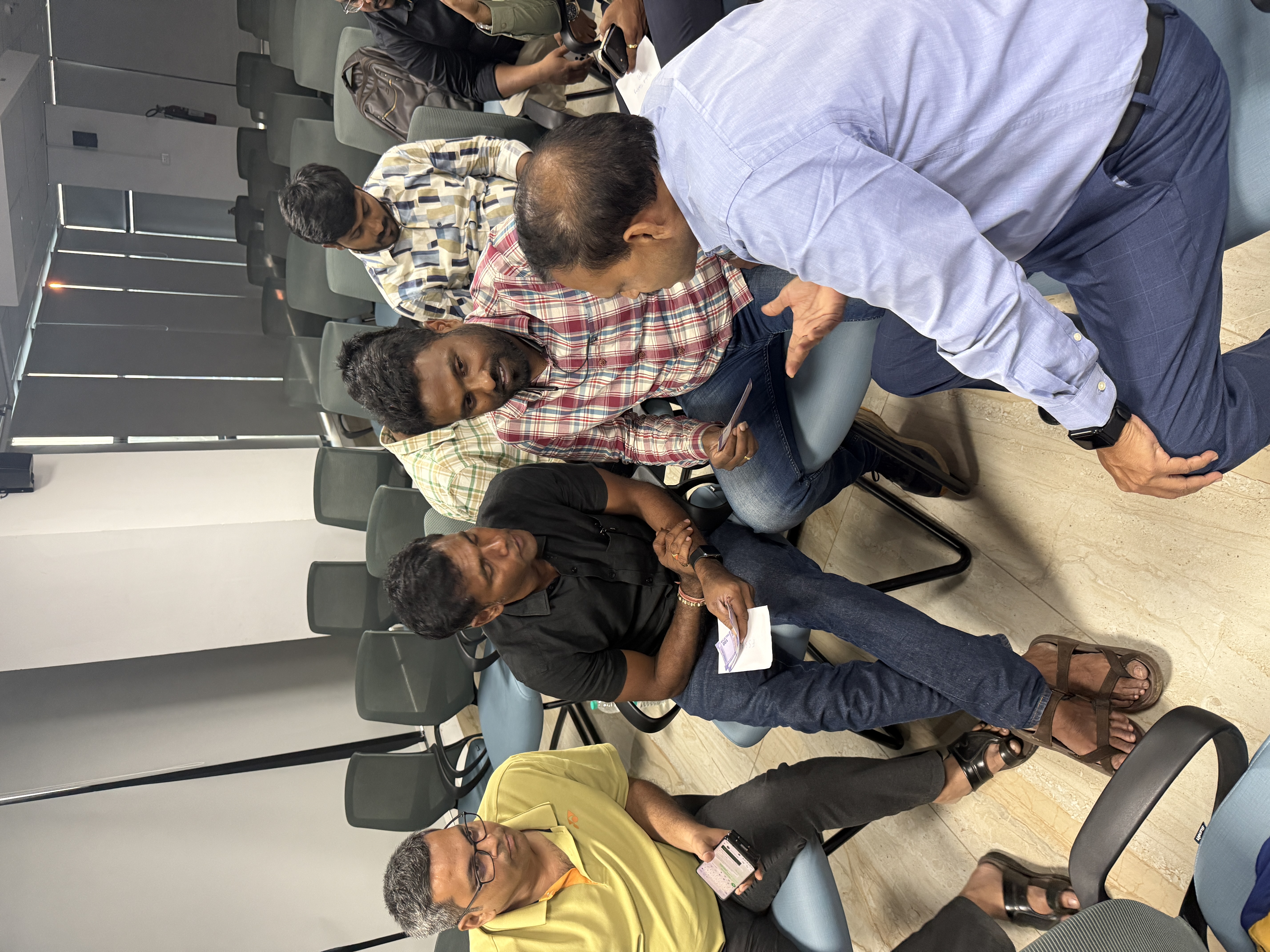
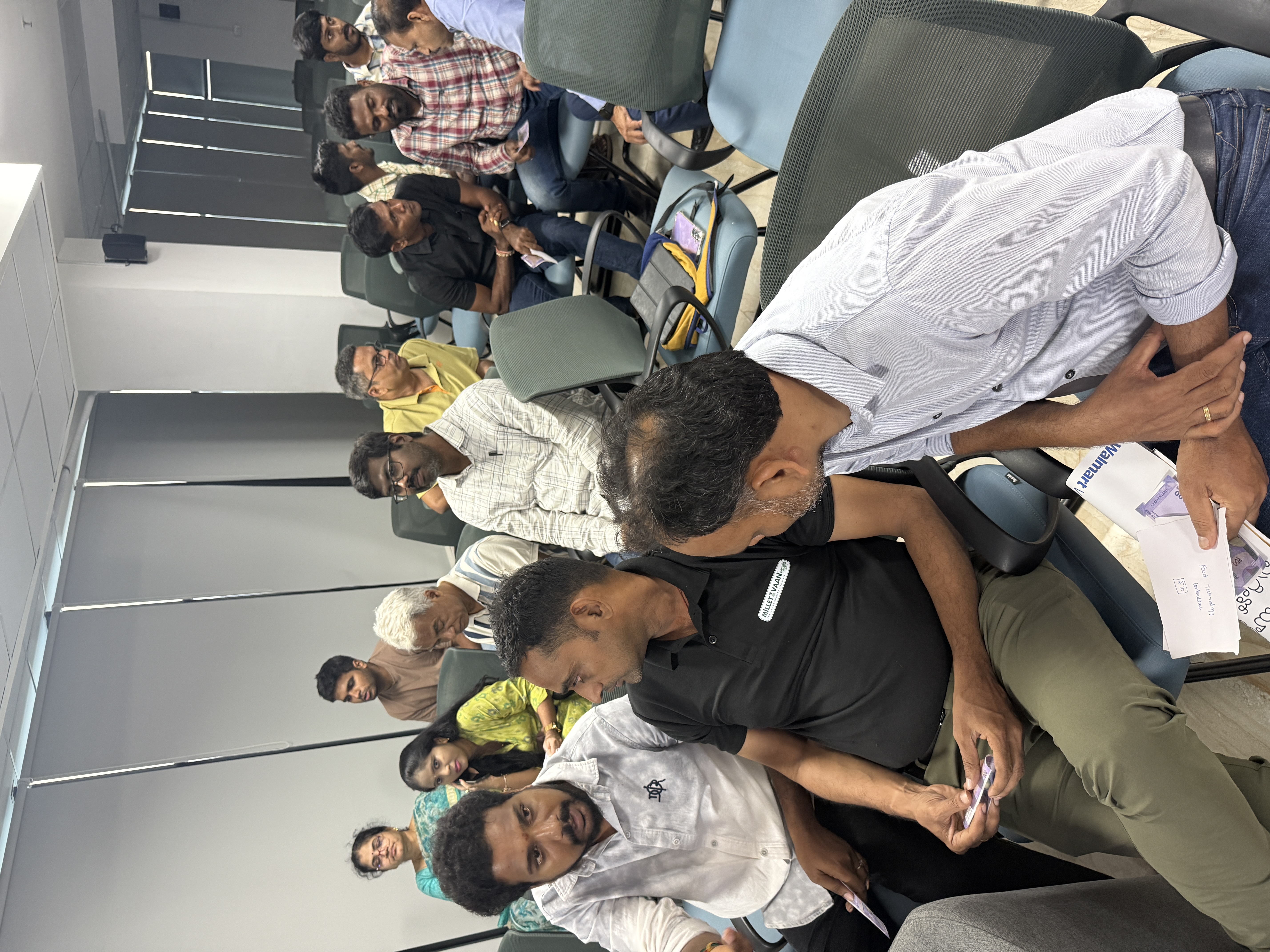
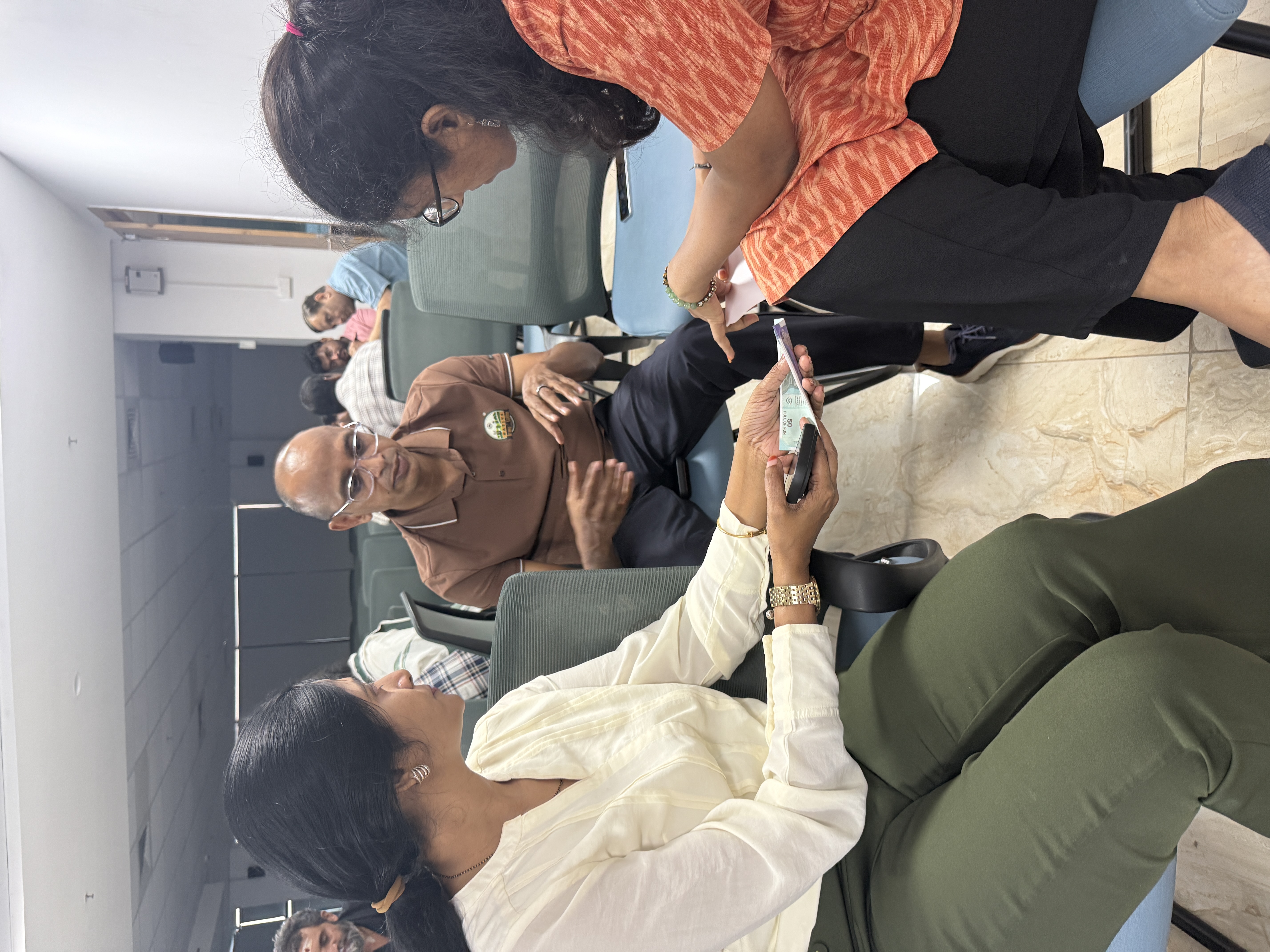
Teams work with simulated ₹100 capital, prioritise resources such as compliance and marketing support, then respond to business crises using what they acquired.
These activities describe the proposed learning format. The presentations and planning notes do not independently document which resources teams selected, how teams performed or what outcomes were achieved.
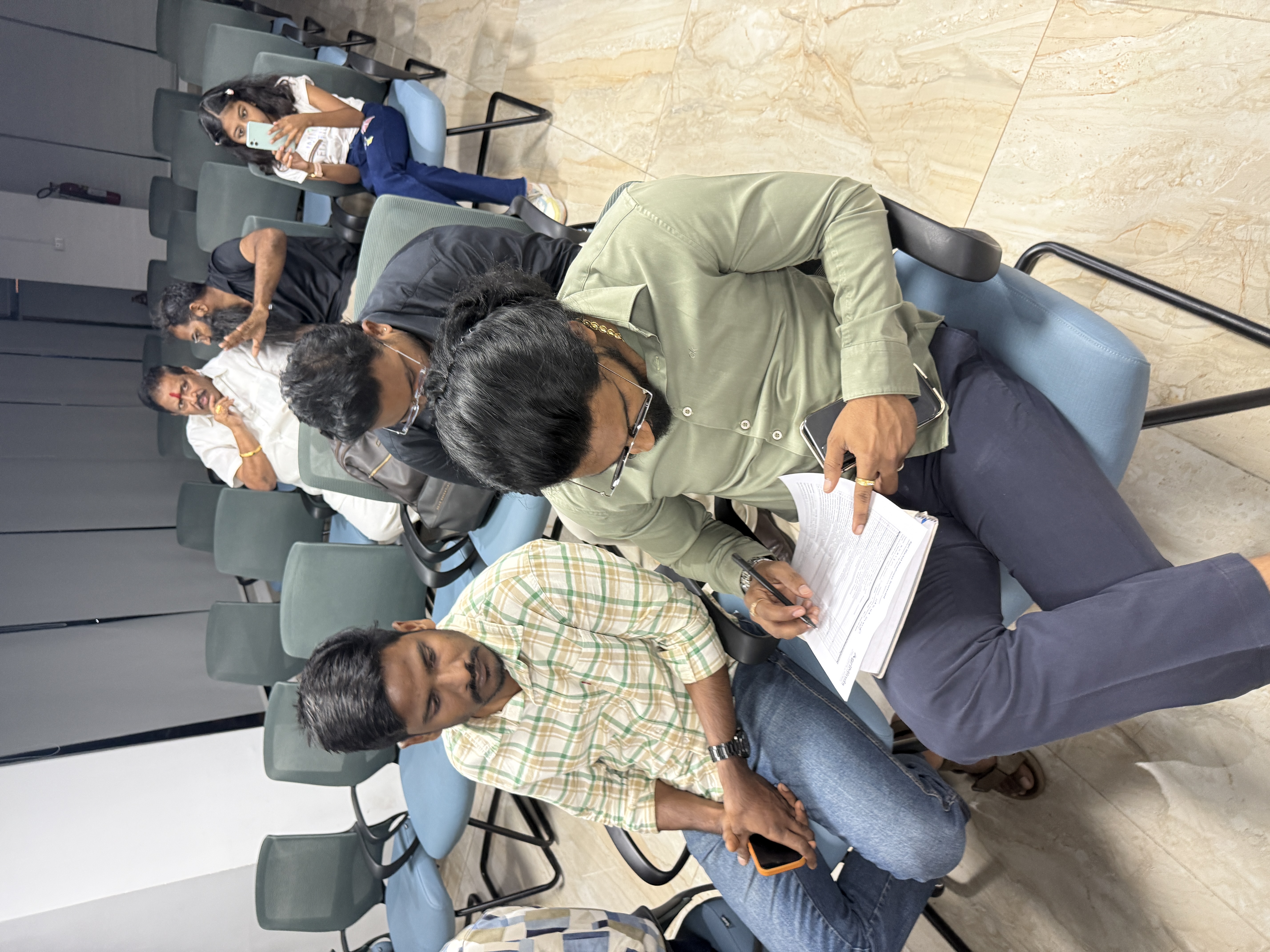
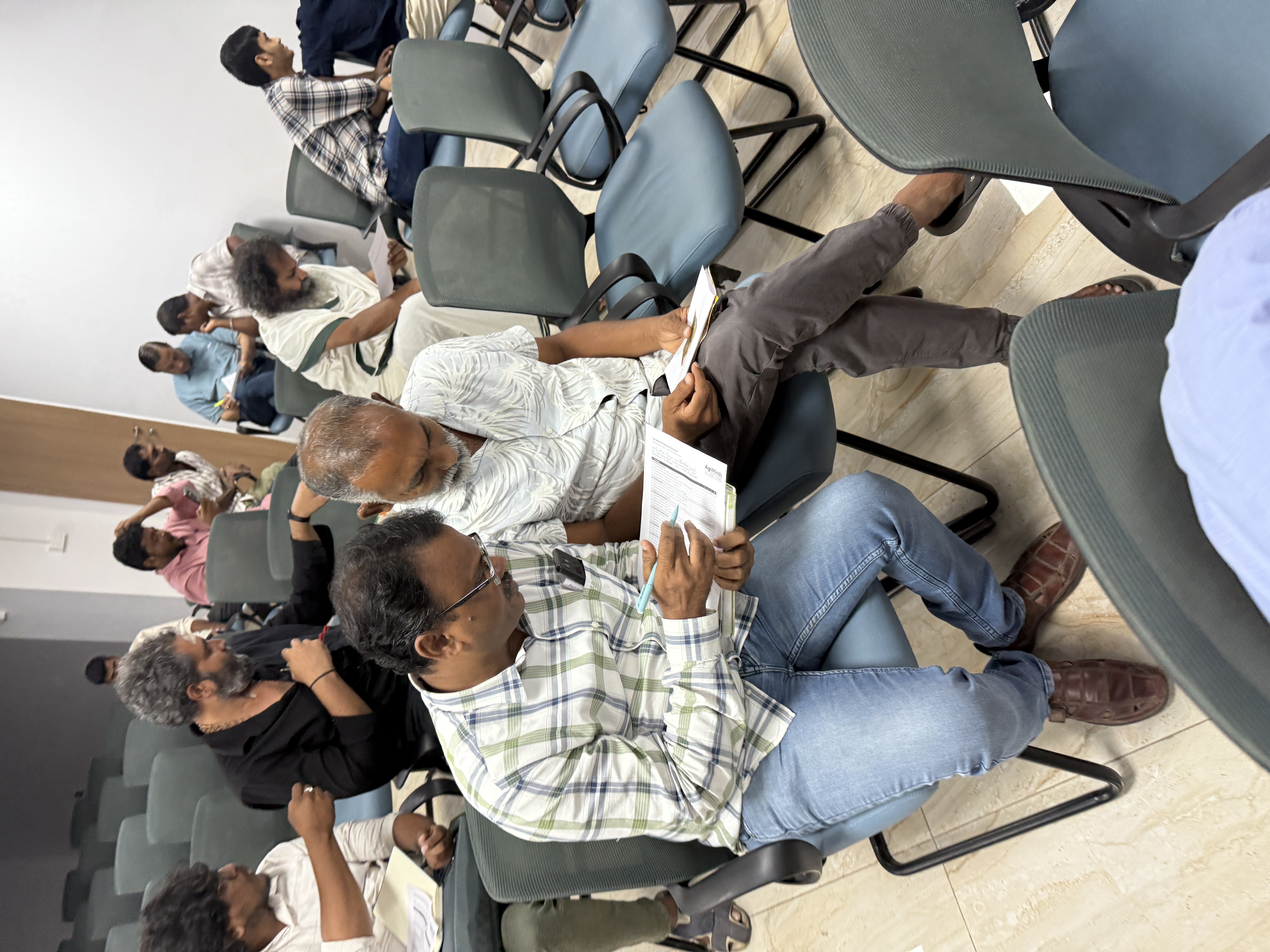
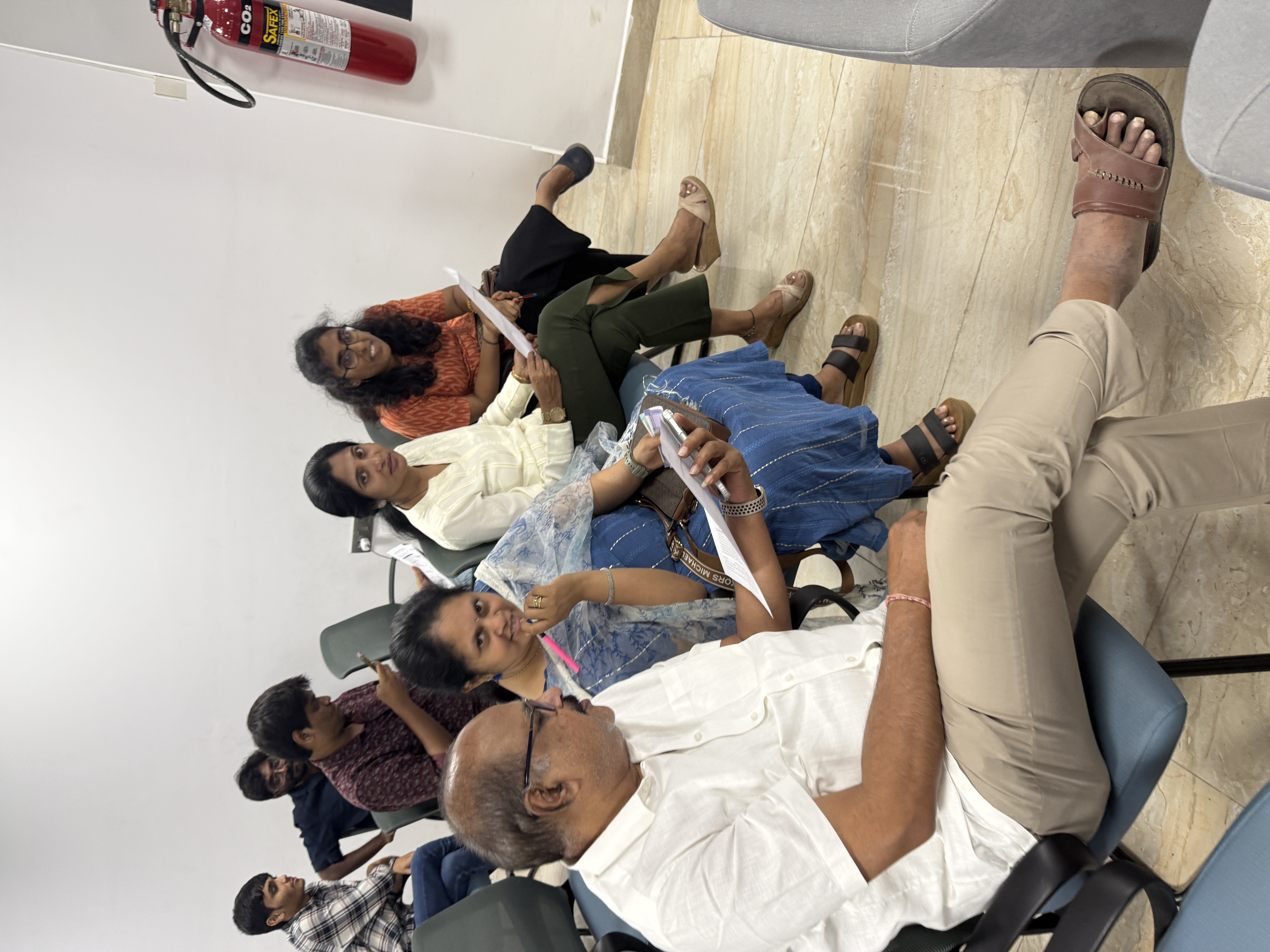

Identify a real problem. Find a viable solution. Understand the customer. Build a sustainable business model. Start small, validate and scale responsibly.
Explore the Vizag chapter